Quick Stats of the Project
- Category: 5-Minute Fix
- Difficulty: 1/5 (Novice)
- Tools: A wide, flat rubber band and a manual screwdriver (Phillips-head is best).
A stripped screw occurs when the drive of the screw is worn down, leaving no “teeth” for your screwdriver to grab. Instead of reaching for a power drill or an expensive extraction kit, a simple rubber band can provide the high-friction “bite” needed to back the screw out without damaging the surrounding material.
Step-by-Step Instructions
Step #1: Select the Right Band
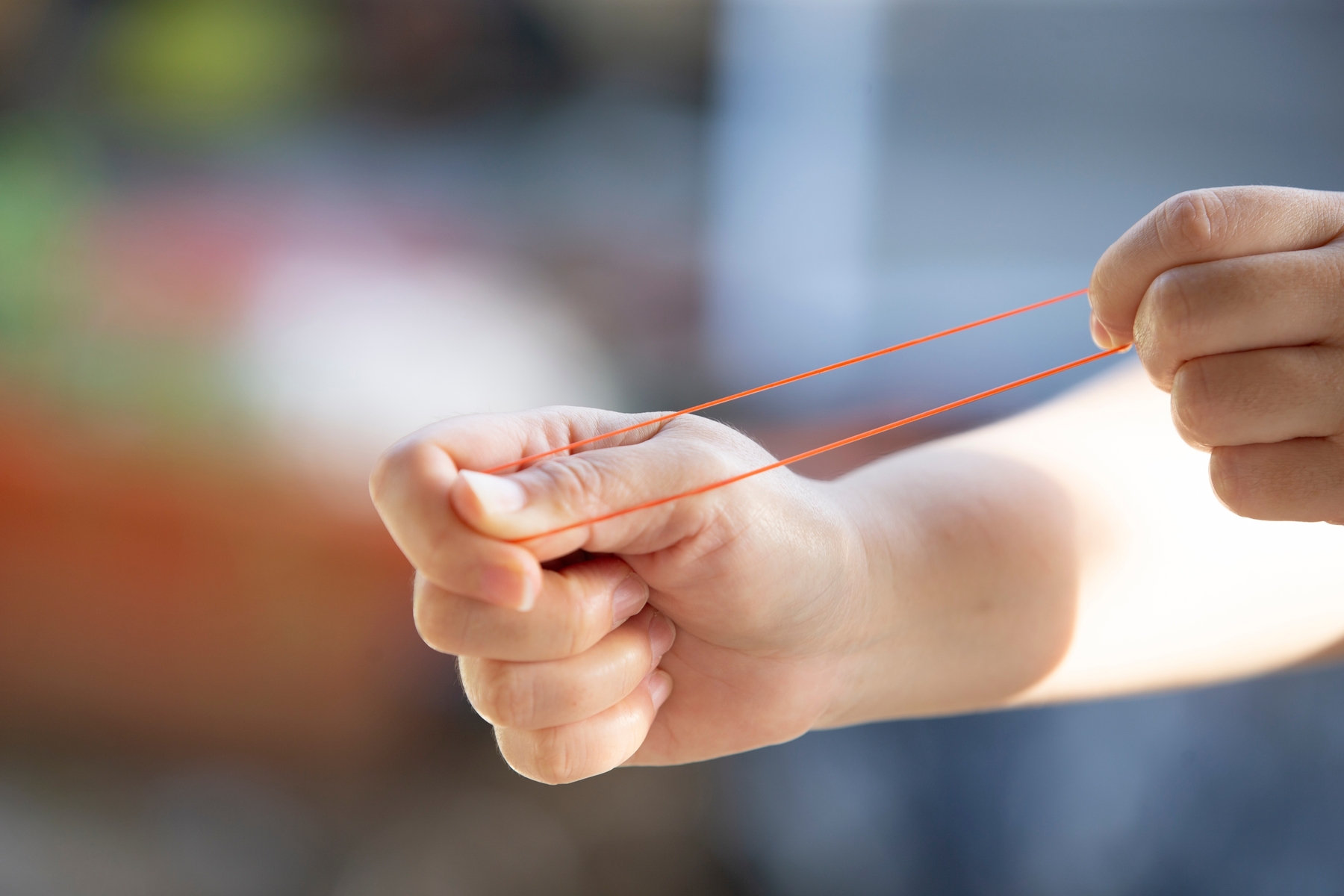
Find a wide, flat rubber band (like the kind used for produce or office mail). Thin, circular bands don’t provide enough surface area. Ensure the rubber is “grippy” and not dried out or brittle, as it needs to stretch into the crevices of the stripped screw head.
Step #2: The Sandwich Technique
Lay the rubber band flat directly over the head of the stripped screw. You want the widest part of the band to cover the entire diameter of the screw hole. Ensure the band is held taut so it doesn’t bunch up before you apply the tool.
Step #3: Seat the Screwdriver
Place the tip of your manual screwdriver on top of the rubber band and push it firmly into the screw head. The goal is to force the rubber into the stripped-out “valleys” of the screw, creating a temporary, high-friction gasket between the metal tool and the metal hardware.
Step #4: Apply Maximum Downward Pressure
Before you try to turn, lean your body weight into the screwdriver. Most people fail at this step because they focus on the rotation rather than the pressure. The downward force is what keeps the rubber band from slipping out of the hole.
Step #5: The Slow Extraction
Turn the screwdriver counter-clockwise very slowly. You are looking for a “slow and steady” torque. If the screwdriver slips, stop immediately, reposition the rubber band to a fresh, un-pierced section, and try again. Once you feel the screw “break” its initial seal, it should spin out easily.
Pro-Tip: The “Abrasive” Alternative
If the rubber band keeps tearing, you can create even more friction by dipping the tip of your screwdriver into a tiny bit of valve grinding compound or even a grainy kitchen cleanser (like Bar Keepers Friend). The grit acts like microscopic “teeth,” helping the tool lock onto the smooth, stripped metal surface.