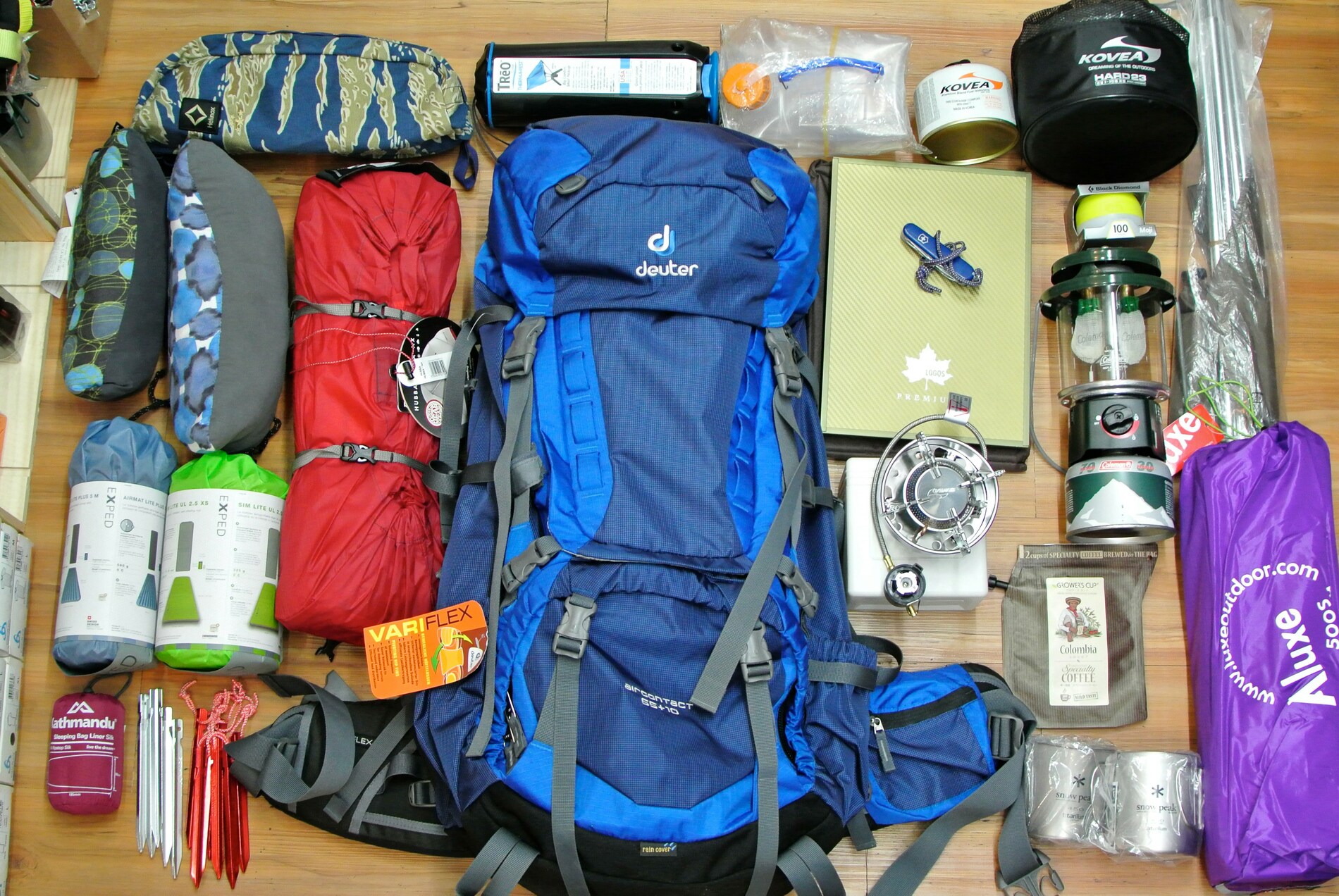
A good hiking kit isn’t about carrying a lot of stuff. It’s about carrying the right stuff so you can stay safe, comfortable, and prepared without overpacking.
This is a simple weekend project you can do in a few hours and fine-tune it anytime.
Step 1: Start with the Right Bag
Pick a lightweight backpack that feels comfortable on your back and has multiple compartments. A 20–30L daypack works well for most hikes.
Step 2: Safety First (Non-Negotiable)
This is the core of your kit.
Pack a small first aid kit and helpful tools:
- Band-aids (different sizes)
- Gauze pads
- Medical tape
- Antiseptic wipes
- Painkillers
- Tweezers
- Elastic bandage (for sprains)
- Whistle (for signaling)
- Small flashlight or headlamp
These items take very little space but matter the most in real situations.
Step 3: Water & Hydration
Dehydration ruins hikes faster than anything else. You must include:
- 1–2 reusable water bottles OR a hydration bladder
- Water purification tablets (or a small filter if you have one)
If you’re going into remote areas, this becomes essential, not optional.
Step 4: Navigation Basics
Even if you use your phone, don’t rely on it alone. You must carry a compass and a printed map because phones may die, and trails don’t care.
Step 5: Food & Energy
Keep it simple and lightweight.
Good options to carry are:
- Energy bars
- Trail mix
- Dry fruits
- Small chocolate bar
Step 6: Utility Items (Small but Useful)
These are the things you don’t think about until you need them:
- Pocket knife or multitool
- Sunscreen
- Insect repellent
- Small trash bag (for waste)
- Tissue or wipes
They make outdoor life much easier.
Step 7: Organize Like a Pro
Don’t just throw everything in the bag. Do this instead:
- Use small zip pouches (medical, food, tools, etc.)
- Keep emergency items at the top or easily reachable
- Keep the weight balanced in the backpack
A well-organized bag saves time and stress.
Final Step: Test It Once
Before any real trip:
- Wear the backpack for 20–30 minutes
- Walk around or take a short hike
- Check what feels missing or unnecessary
Final Thought
A hiking kit isn’t about being extreme or over-prepared. It’s about removing small risks so your focus stays on the experience, not problems. Build it once properly, and it quietly supports every adventure you take after that.