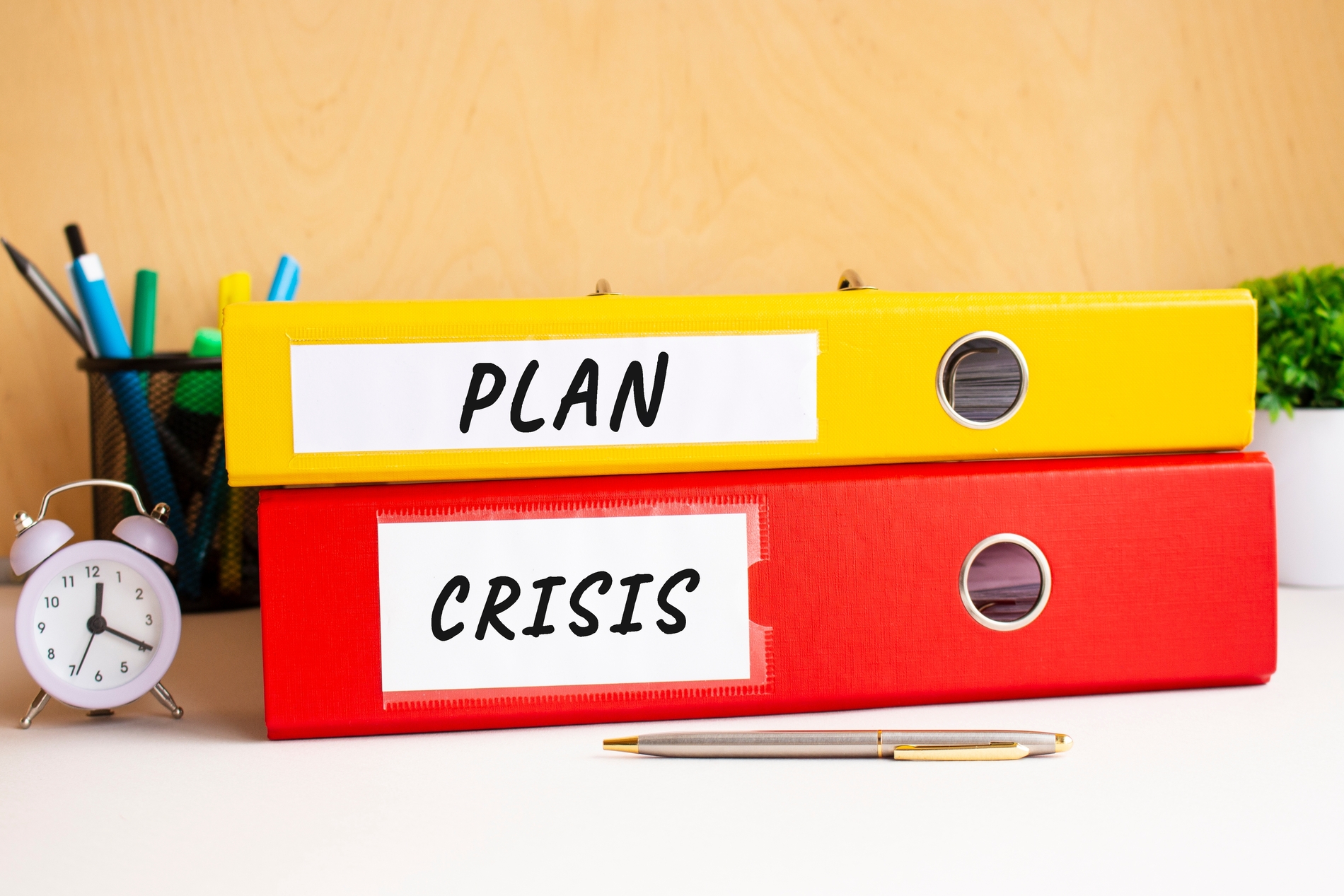
When an emergency happens, the last thing you want is to search through drawers for important paperwork. A home emergency binder keeps your essential documents, contact information, and household details in one organized place, making them easy to find when every minute counts.
The best part? You can put one together in just an afternoon.
What You’ll Need
Start with a few basic supplies:
- A sturdy binder
- Plastic sheet protectors
- Tab dividers
- A hole punch
- A pen and a notepad
- Printed copies of important documents
If possible, keep digital backups of everything on a password-protected USB drive or in a secure cloud storage service.
Step 1: Create Clear Sections
Divide your binder into easy-to-find categories. Some useful sections include:
- Emergency contacts
- Personal identification
- Medical information
- Insurance documents
- Home and vehicle information
- Financial records
- Pet information (if applicable)
Using labeled dividers makes it much easier to locate information quickly.
Step 2: Add Emergency Contacts
This should be the first section in the binder.
Include phone numbers for:
- Family members
- Close friends
- Doctors
- Local emergency services
- Veterinarian (if you have pets)
- Insurance providers
Keep the list updated whenever numbers change.
Step 3: Organize Important Documents
Instead of storing original documents, place photocopies in the binder.
Consider including copies of:
- Identification cards
- Passports
- Birth certificates
- Insurance policies
- Vehicle registration
- Home ownership or rental documents
Original documents should be kept in a secure location, such as a fireproof safe.
Step 4: Record Medical Information
Create a page for each family member that includes:
- Allergies
- Current medications
- Medical conditions
- Blood type (if known)
- Primary healthcare provider
- Emergency contacts
Having this information readily available can be extremely helpful during medical emergencies.
Step 5: Include Household Information
Add details that could be useful if you need to leave home quickly or if someone else needs to manage your household.
Examples include:
- Utility account numbers
- Wi-Fi network name and password
- Location of spare keys
- List of valuable household items
- Emergency meeting location for your family
Step 6: Review It Regularly
An emergency binder is only useful if the information is up to date. Set a reminder to review it every six months. Update expired documents, replace outdated contact information, and add any new records that may be important.
Final Thoughts
A home emergency binder may not be the most exciting DIY project, but it could become one of the most valuable. Spending a couple of hours organizing your family’s essential information today can save valuable time, reduce stress, and help you stay prepared when unexpected situations arise.