A dull knife is more dangerous than a sharp one—you’re more likely to slip and cut yourself. But you don’t need expensive sharpeners or professional services to restore your blade’s edge.
What You Need (Any one of these)
- A ceramic coffee mug
- A leather belt
- Another knife
The Mug Method (Best Option)
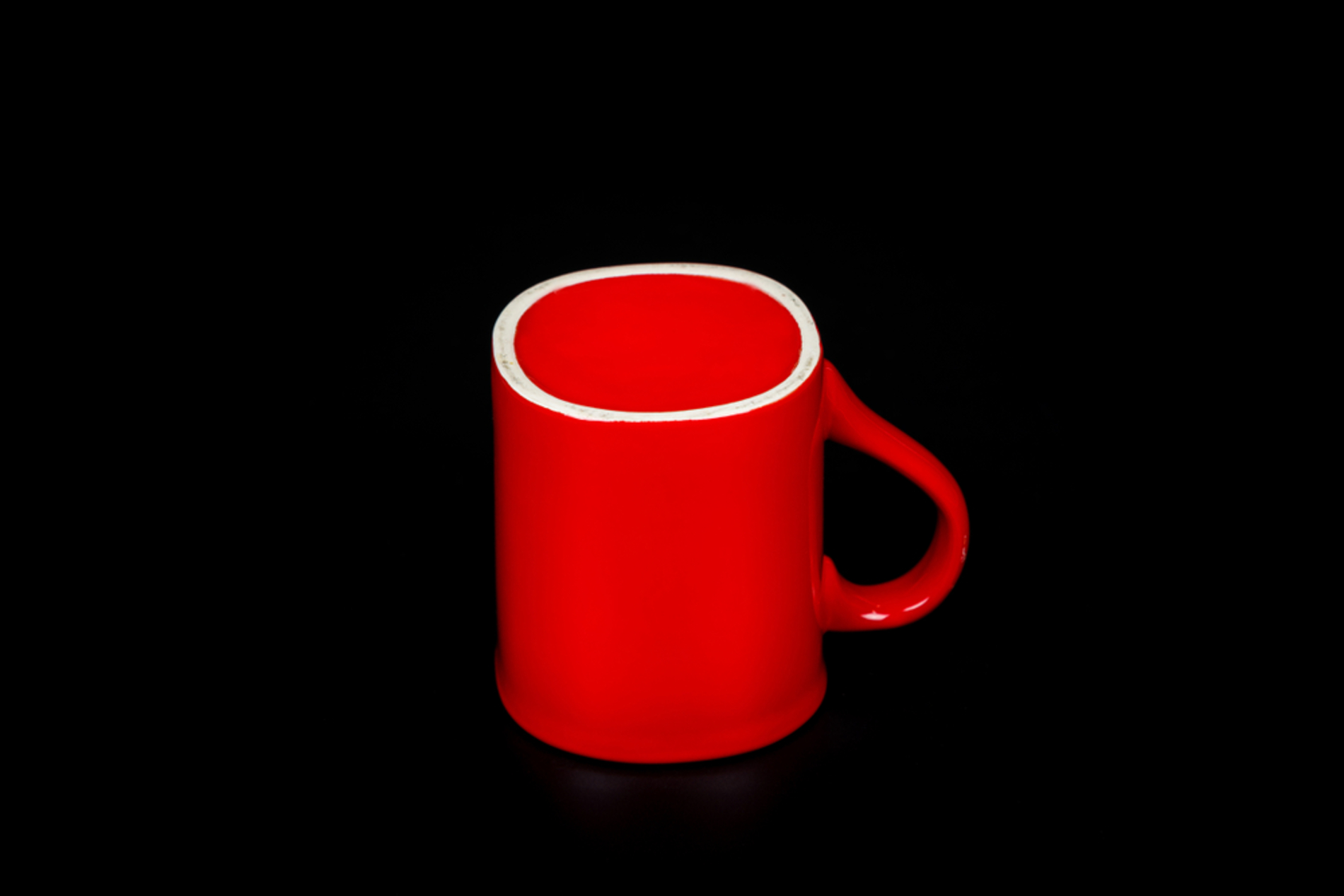
Flip a ceramic mug upside down. Look for the rough, unglazed ring on the bottom. Hold the knife at a 20-degree angle against this rough ceramic edge.
Draw the blade across the ring in one smooth motion, from heel to tip, as if you’re trying to slice a thin layer off the mug. Do this 5-6 times on each side of the blade. The ceramic’s hardness realigns and sharpens the microscopic teeth on your knife edge.
The Belt Method

Pull a leather belt taut or secure it to something stable, rough side up. Draw your knife along the leather at a 20-degree angle, just like the mug method. This is called stropping—it polishes and straightens the blade edge. Do 10 passes per side.
The Honing Method
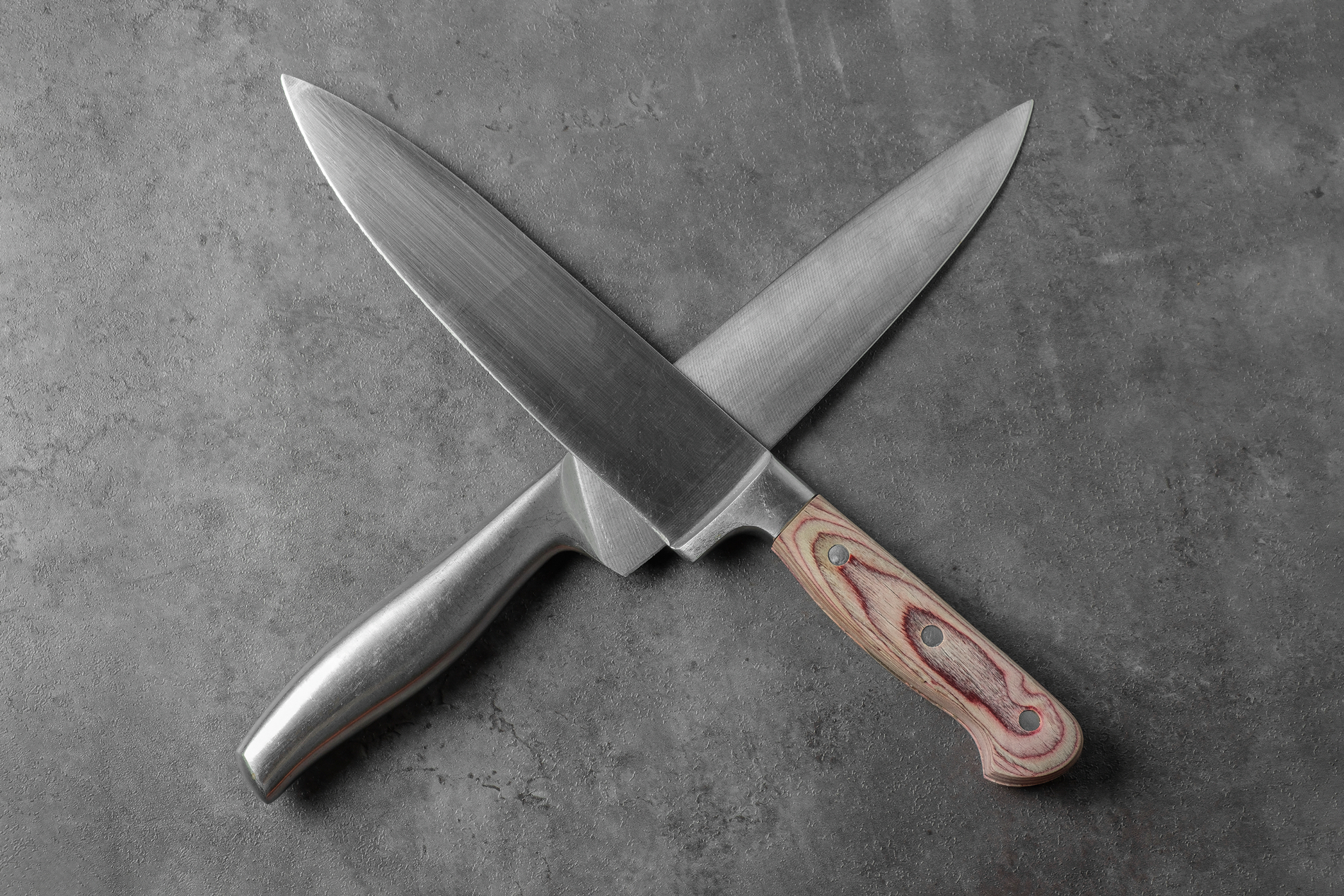
If you have two knives, you can use them to hone each other. Hold one vertically and draw the dull knife’s edge along it at a 20-degree angle. This won’t sharpen as effectively as ceramic, but it’ll improve performance.
Test the Results
Try the paper test: hold a sheet of paper in the air and slice through it with your knife. A properly sharpened knife should cut cleanly without tearing or pushing the paper.

The Truth
These methods won’t replace a proper sharpening stone for seriously dull knives, but they’re perfect for quick touch-ups between major professional sharpenings. Most kitchen knives just need realignment, not aggressive resharpening.