Quick Stats of the Project
- Category: 5-Minute Fix
- Difficulty: 1/5 (Novice)
- Tools: Cooking spray (Canola or Vegetable), Microfiber cloth or paper towels.
Metal-on-metal friction isn’t just an annoying sound; it’s an early warning sign of hardware wear. If you don’t have professional-grade lubricant on hand, a quick pantry substitute can stop the grinding, prevent metal fatigue, and restore peace to your home in less time than it takes to brew a coffee.
Step-by-Step Instructions
Step #1: Isolate the Culprit
Swing the door slowly through its full radius. Identify which specific hinge is “singing.” Don’t assume it’s all of them—usually, the top hinge carries the most weight and is the most likely to squeak.
Step #2: Create a Protective Shield
Cooking spray is designed to stick to pans, not your paint. Hold a folded paper towel or cloth directly behind the hinge, pressing it into the corner where the hinge meets the door frame. This acts as a “splash zone” to catch any over-spray.
Step #3: Targeted Application
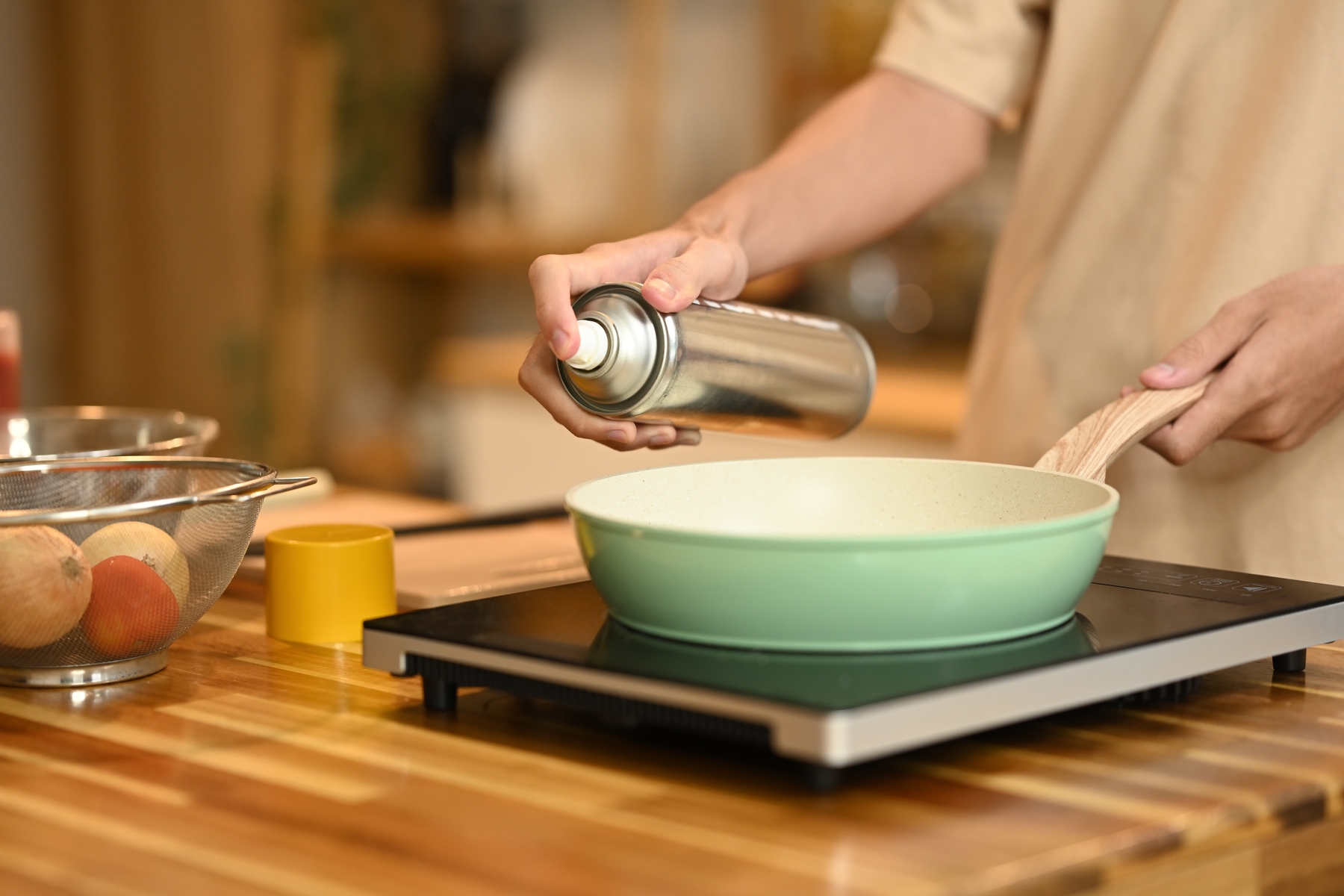
Aim the nozzle at the very top of the hinge pin (the cylindrical joint). Apply one precise, half-second burst. Gravity is your assistant here; let the oil seep naturally down into the barrel of the hinge.
Step #4: Work the Lubricant
Open and close the door rapidly for 30 seconds. This “cycling” ensures the oil coats the entire surface area of the internal pin. The squeak should vanish within the first five swings.
Step #5: Detail and Degrease
Wipe the hinge thoroughly with a clean section of your cloth. Leaving excess oil on the surface is a mistake—it will eventually attract household dust and pet hair, creating a “grime paste” that can actually make the hinge stiffer over time.
Pro-Tip: The “Capillary Action” Boost
If the squeak is particularly stubborn, don’t just spray more oil. Instead, use a hammer and a screwdriver to tap the hinge pin up about 1/4 of an inch. Spray the newly exposed portion of the pin, then tap it back down. This forces the lubricant into the tightest tolerances of the hardware, providing a fix that lasts twice as long.