


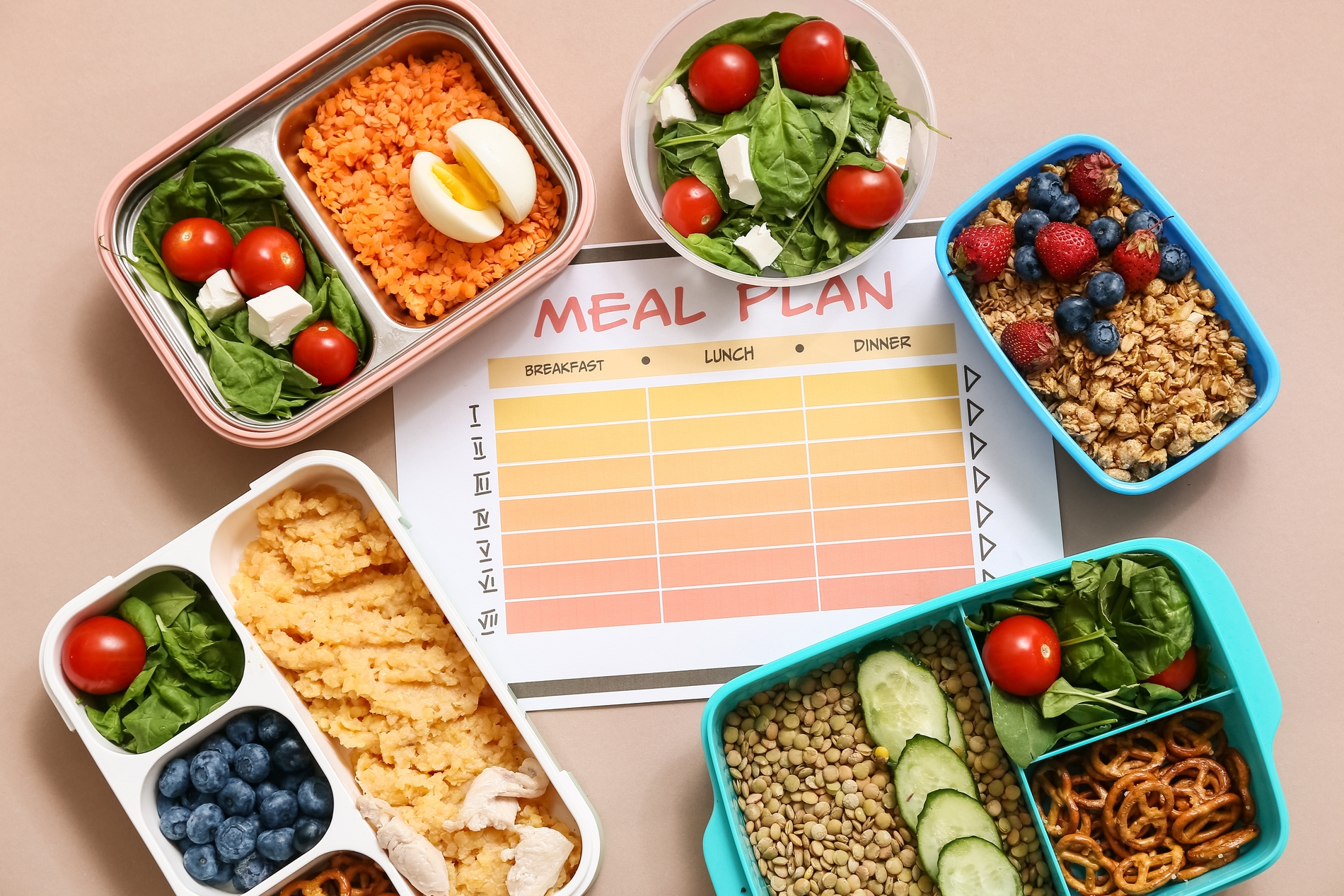
Stop deciding what’s for dinner every single night. One afternoon is all it takes to plan every meal for the entire month.
Why Monthly and Not Weekly?
Weekly planning sounds manageable, but it still means four separate planning sessions a month, four grocery lists, and four moments where you stare blankly at a notepad. Do it once monthly, and you free up your headspace for everything else. Your grocery bill drops, food waste goes down, and the daily “what’s for dinner?” conversation disappears entirely.
Step 1: Assign categories before picking recipes
Don’t open a recipe book yet. Start by assigning each night of the week a meal type, such as pasta night, stir-fry night, soup night, batch-cook night, fakeaway Friday, or whatever your family likes. By doing this, for example, every Monday, you will not be deciding what to cook but only picking which pasta.
Step 2: Pull from a recipe bank, not the internet
Trying to discover new recipes during planning sessions is where most people end up losing an hour and getting frustrated. Instead, keep a running list of 15 to 20 meals your family already loves and rotate from that. New recipes can be tested on quieter weeks, then added to the calendar if they work.
Step 3: Fill in the calendar
With your categories set and your recipe bank open, slot meals into the calendar. It should take no more than 20 minutes at this stage because the structure is already ready. Account for busy nights where something quick is needed, and mark any occasions where you know you’ll be eating out. For example, pick 4 pasta types: cook one on the first Monday and the rest on the following Mondays.
Step 4: Build one master shopping list
Go through every meal on the calendar and list every ingredient. Group them by section, such as produce, protein, dairy, and pantry staples, so your grocery is fast and nothing gets missed. A simple spreadsheet or a free app like AnyList works perfectly. You can split the list into a big monthly bulk shop and smaller weekly top-ups for fresh items.
Step 5: Schedule your batch cook days
Look at the calendar and mark two or three Sundays as prep days. On those days, cook bases that stretch across multiple meals. They can be a big pot of rice, roasted vegetables, a batch of tomato sauce, or a tray of chicken. This cuts your weekday cooking time in half, so you’re never starting from scratch on a tired Tuesday evening.
What Changes After the First Month
Your grocery spend drops because you’re buying with intention. Takeaway orders reduce because there’s always a plan. Decision fatigue disappears because dinner is already decided before you even get home. The first month takes around three to four hours to set up properly. After that, it gets faster every time because your categories, recipe bank, and system are already in place.