
Quick Stats of the Project
- Category: 5-Minute Fix
- Difficulty: 1/5 (Novice)
- Tools: Hairdryer, microfiber cloth, mild dish soap, and warm water.
Crayons are made of pigmented wax, which means they don’t just sit on your wall—they bond to the texture of the paint. Scrubbing them dry often smears the wax further or, worse, strips the paint finish entirely. Using heat to liquify the wax allows you to lift the pigment away without abrasive damage.
Step-by-Step Instructions
Step #1: Assess the Paint Finish
Identify your wall’s finish before you start. Glossy or semi-gloss paints (common in kitchens/bathrooms) are hardy and can handle more moisture. Matte or eggshell finishes (common in living rooms/bedrooms) are delicate; you must be extremely gentle to avoid creating “shiny spots” from over-scrubbing.
Step #2: Heat the Wax
Plug in a hairdryer and set it to a medium-high heat. Hold the nozzle about 6 inches away from the crayon marks and move it back and forth for 30 seconds. You will see the crayon marks start to look “shiny”—this indicates the wax is melting and losing its grip on the paint.
Step #3: The Gentle Wipe
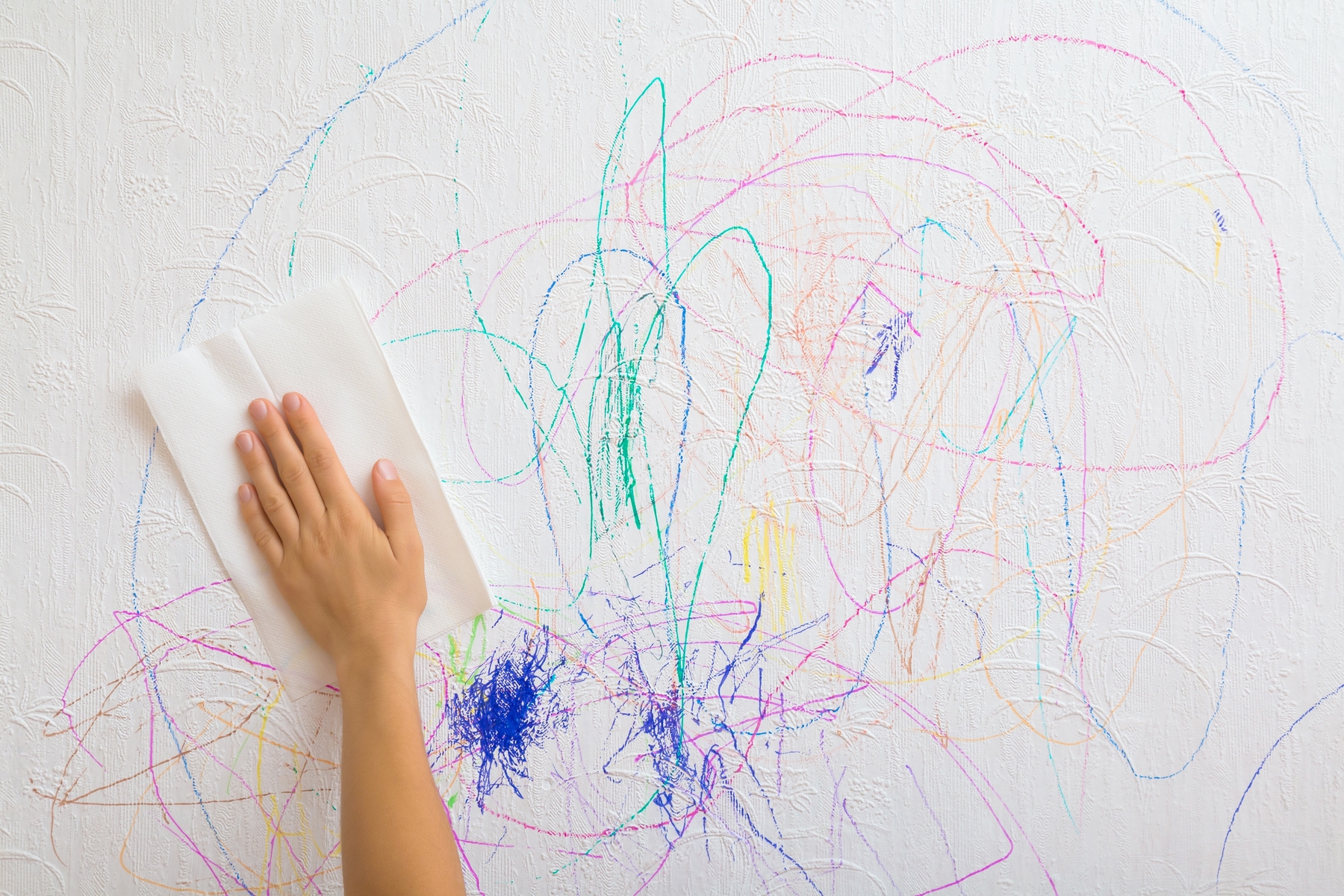
While the wax is still warm and liquid, use a clean microfiber cloth to gently dab and wipe the marks. Do not use a circular motion, as this can grind the wax deeper into the wall’s “pores.” Use short, upward strokes, turning the cloth frequently to a clean section so you aren’t just reapplying the wax.
Step #4: Degrease the Residue
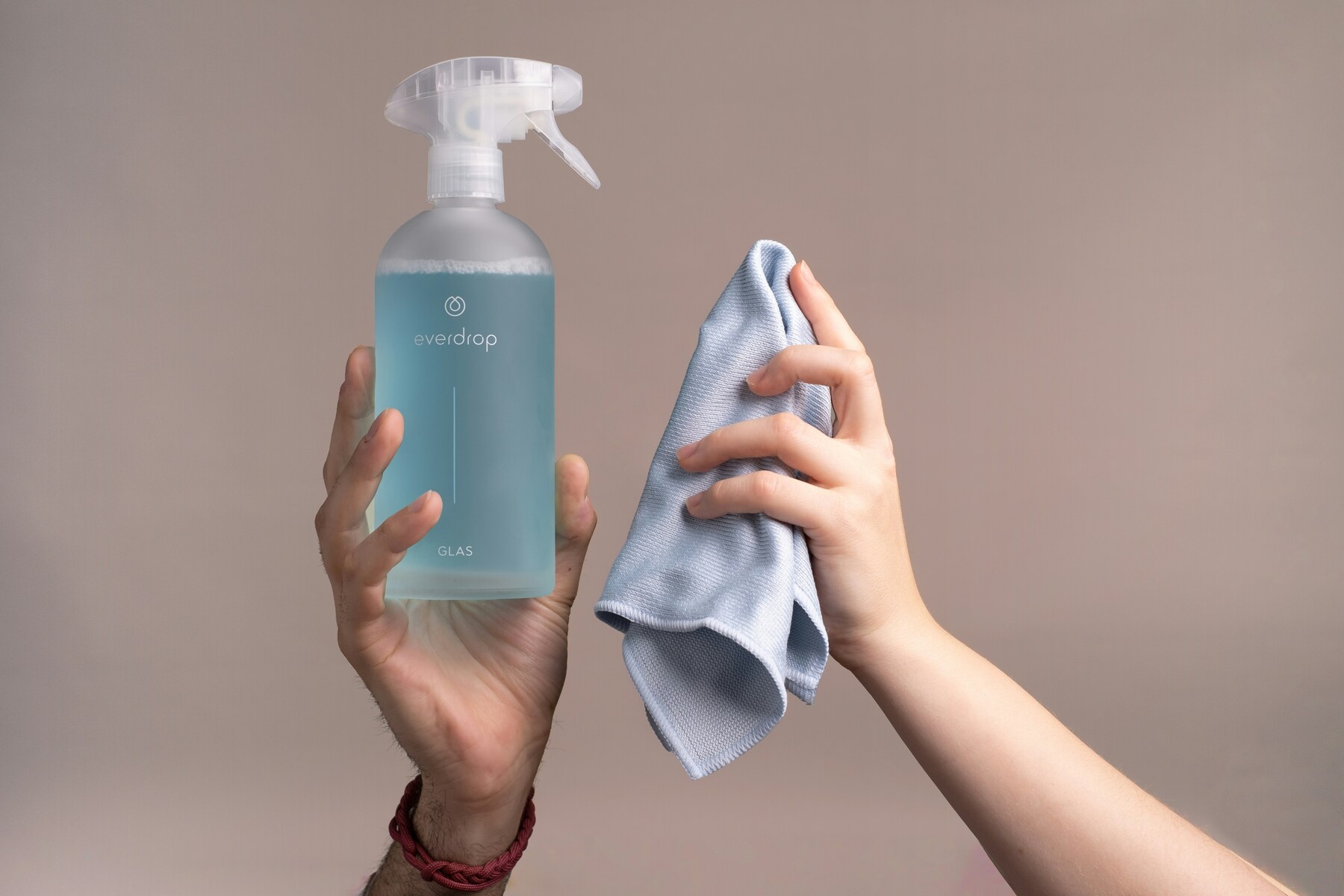
Once the bulk of the wax is gone, a faint “ghost” of the color might remain. Mix a drop of dish soap with warm water. Dampen your cloth (it should not be dripping) and lightly buff the area. The soap breaks down the residual oils in the wax, removing the last of the pigment.
Step #5: Dry and Inspect
Use a dry section of the cloth to pat the area dry immediately. Inspect the wall from an angle to ensure you haven’t left a hazy residue or a “tide mark” from the water. If the mark was particularly dark, you may need to repeat the heating process one more time.
Pro-Tip: The “Magic Eraser” Caution
If heat doesn’t work, you can use a melamine sponge (Magic Eraser), but only as a last resort. These sponges are technically extremely fine sandpaper. Use very light pressure and only on the mark itself. If you scrub too hard on a matte wall, you will sand down the paint texture, leaving a permanent shiny patch that can only be fixed by repainting.